GrainFly Salvage gives your branch its own online store for discontinued SKUs, customer returns, and overstock — so the contractors already buying from you can buy it, instead of a liquidator taking the pallet at ten cents on the dollar.
Talk to us about Salvage →
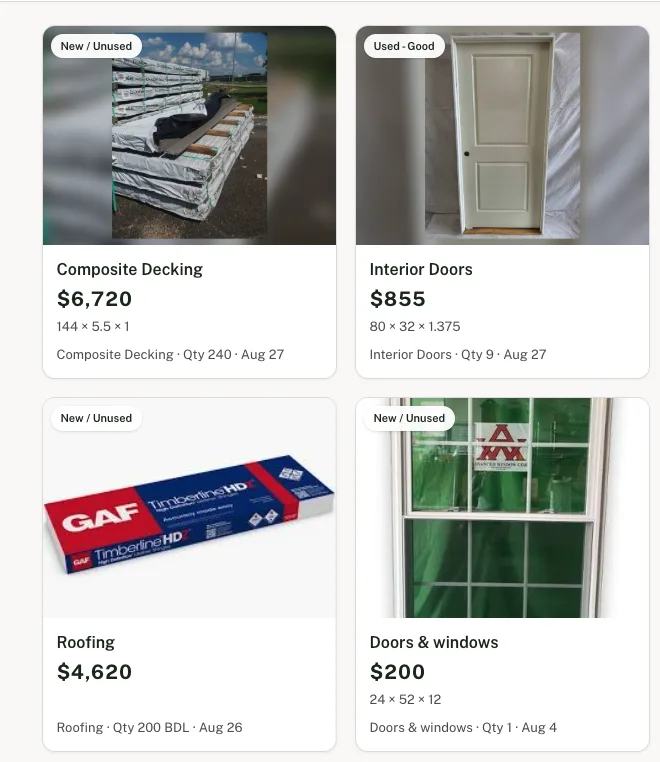
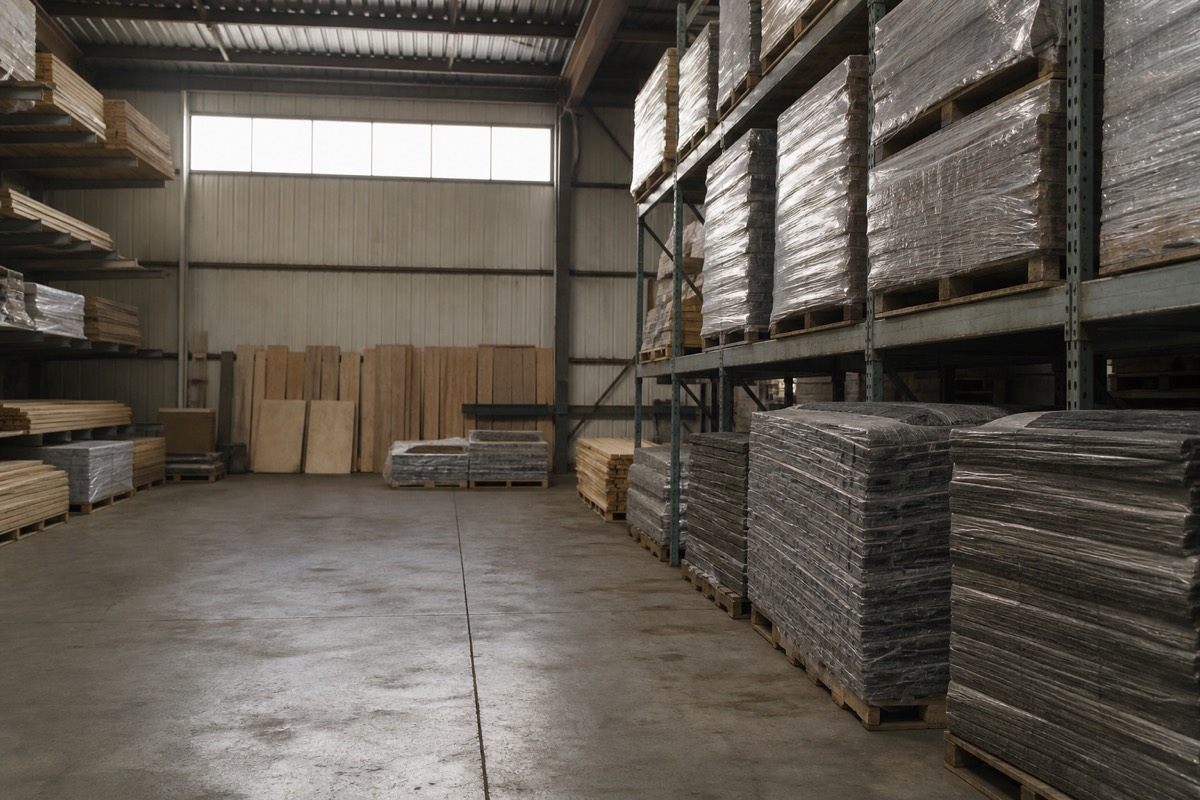
Every branch has an aged-stock list. The SKU the manufacturer dropped, the special order the customer sent back, the overstock from a job that got cut. It sits, it takes rack space, and eventually someone takes it off your hands at their price.
Discontinued SKUs, customer returns, cancelled orders, overstock from a job that changed. It is on your books at full cost and it is occupying space you need for stock that moves.
When a pallet goes out in bulk to a salvage buyer, someone else decides what your inventory was worth. You take the number because the alternative is watching it sit for another quarter.
The contractors who would take that pallet at a discount are already your customers. They just have no way to see what is on your aged-stock list, and nobody on the floor has time to call them about it.
Last sale dates, discontinued flags, superseded SKUs, quantity on hand, cost on the books — it is all sitting in the system. GrainFly mines it and ranks a worklist so the warehouse photographs the dollars that have gone quiet, not whatever is closest to the aisle.
Last sale 90, 180, or 365+ days ago — or never sold at all. The SKUs with no recorded sales history rise to the top.
Manufacturer dropped the SKU, or a newer model superseded it. It is still on the books and still occupying a slot.
Quantity on hand times your average cost. High-dollar dead stock outranks a dusty bin of cheap leftovers.
High quantity on hand with no corresponding movement. The pallet that keeps getting walked around.
Send a pallet to a liquidator and someone else decides what your inventory was worth. Sell it in your own store and the number is yours — with dynamic pricing so aged stock keeps moving.
What discontinued stock returns while it sits in the rack.
Typical recovery from a liquidator — a number you don't set.
Who sets the price in your store, and can move it until it sells.
Staff time per item, from photo to live in your store.
A branded store at your own address, for the accounts already buying from you. Discontinued stock does not turn up on a public marketplace where every customer can see you discounting.
Prices adjust so aged stock keeps moving instead of sitting at a number nobody is paying. Your team can override any price.
Titles, descriptions, and category selection generated from the photos and condition notes your warehouse staff submit. Your team reviews and approves.
Customers ask questions and make offers on the item page. Both land in the dashboard, where your team can answer or counter without digging through a shared inbox.
Revenue recovered, items sold, average recovery rate, and performance by category. Know exactly what the branch is getting back.
GrainFly reads on-hand, last-sale dates, discontinued and replaced flags, and cost. It scores every SKU so the branch photographs the inventory that has gone quiet, ranked by the dollars sitting still.
Tell us what is sitting on your aged-stock list and we'll show you what your branch store could look like.
Talk to us about Salvage →